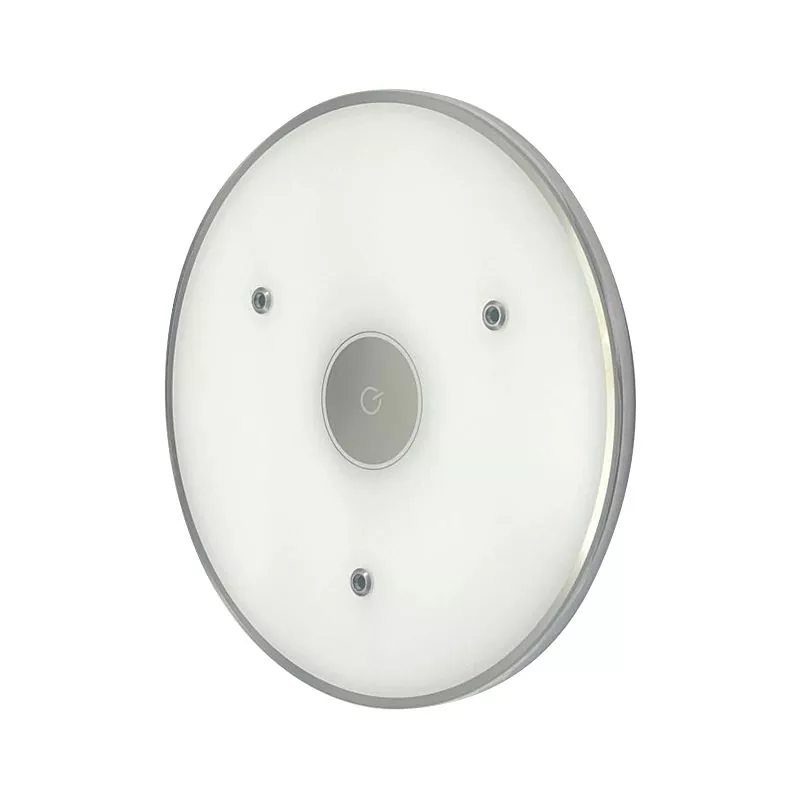
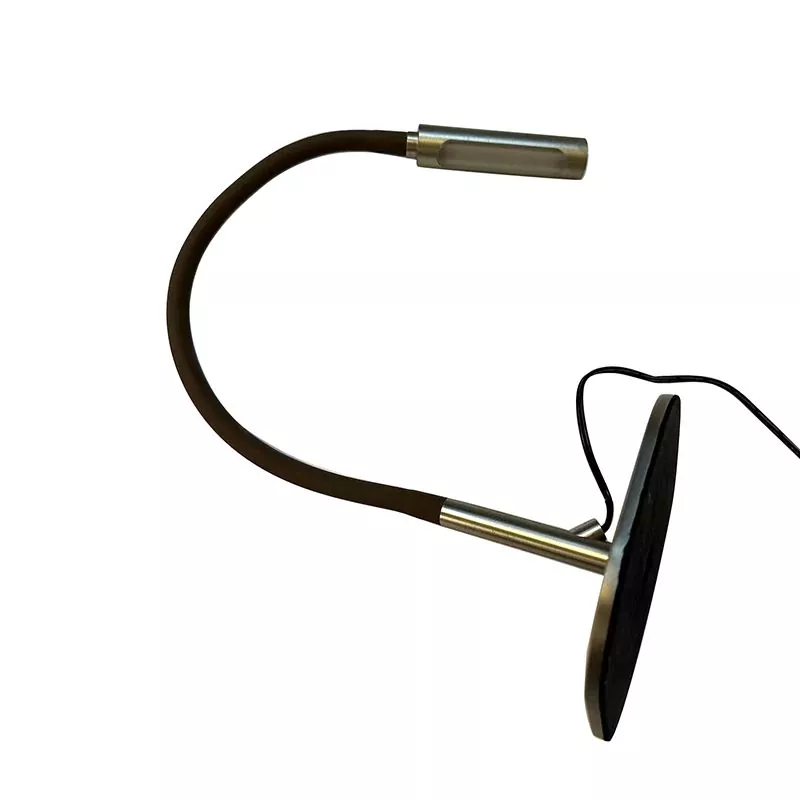
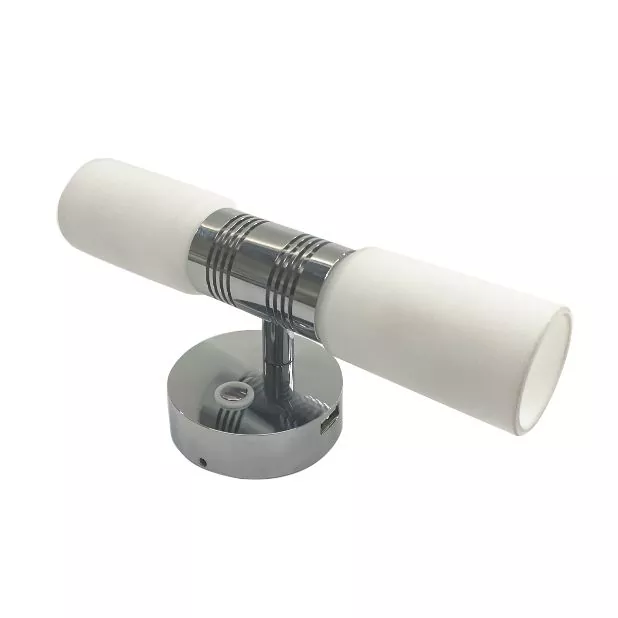
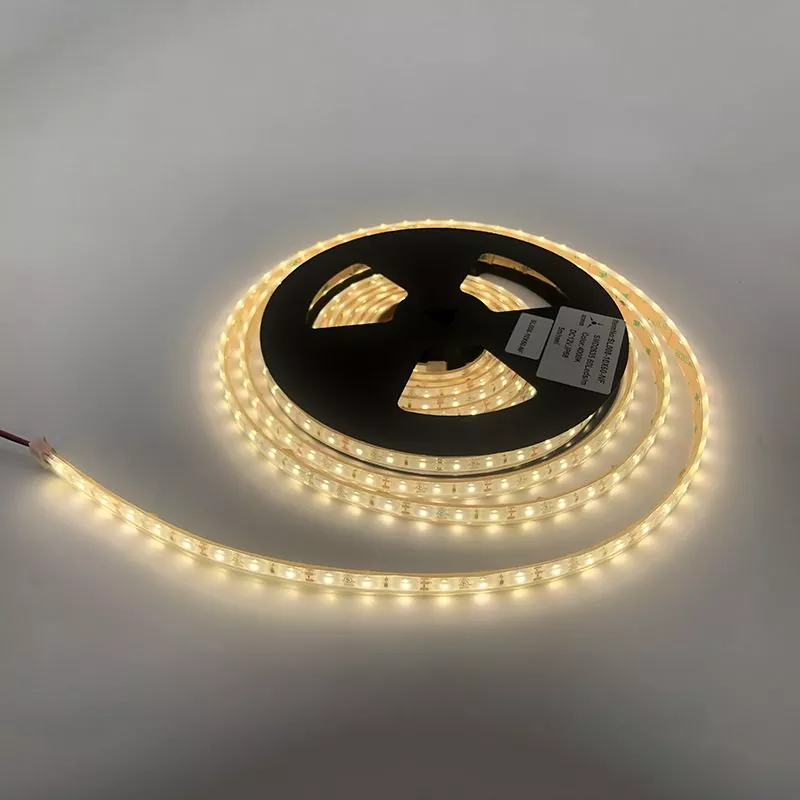
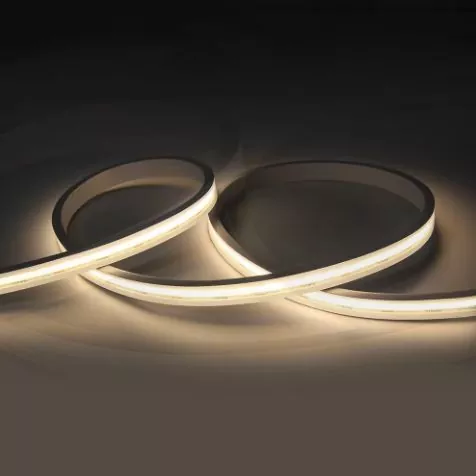
Outdoor lighting continues to evolve as consumers demand safer, more energy-efficient, and long-lasting solutions. Among the many lighting options available today, the 12V Outdoor Light has become one of the most reliable and versatile systems for residential and commercial environments. Whether used for landscaping, pathways, gardens, architectural accents, or security illumination, low-voltage outdoor lighting offers exceptional performance with minimal risk and maximum efficiency.
This article explores how 12V outdoor lighting works, why it is preferred over traditional alternatives, key parameters you should evaluate before purchasing, and how premium manufacturers deliver superior reliability and durability.
Opting for a 12V Outdoor Light offers several advantages compared to conventional 120V/220V outdoor systems:
Low-voltage lighting significantly reduces electrical risks. With only 12 volts running through the system, homeowners and installers can work more safely—especially around water features, gardens, and public pathways.
12V LED fixtures operate at lower wattages while producing high-lumen output. This reduces energy costs and supports sustainable outdoor lighting practices.
12V systems require simpler wiring, flexible layouts, and easier troubleshooting. This makes them ideal for landscaping projects where position adjustments are common.
LED technology paired with low-voltage power helps prevent overheating, which prolongs the life of the fixture and driver components.
12V Outdoor Lights offer stable, flicker-free illumination, excellent dimming compatibility, and precise beam angles for landscaping design.
Low-voltage lighting enables designers and homeowners to highlight important outdoor elements effectively:
Guides walkways and improves safety at night.
Enhances architectural appeal and ensures visibility on stairs.
Accentuates plant textures, sculptures, and trees.
Offers subtle but effective brightness without glare.
Because these fixtures operate at 12V, users can position them close to plants, irrigation lines, or decorative elements without worrying about high-voltage hazards.
To ensure you choose a durable and high-performing solution, evaluate these key specifications:
| Parameter | Description |
|---|---|
| Input Voltage | 12V AC/DC low-voltage power supply |
| Wattage Options | 3W–12W depending on brightness needs |
| Lumen Output | 150–1200 lm for landscape and architectural applications |
| LED Type | High-power SMD or COB LED modules |
| Color Temperature | 2700K–6500K (warm to daylight options) |
| Beam Angle | 30°, 45°, 60° optional for beam control |
| Material | Aluminum alloy, stainless steel, or ABS |
| Waterproof Rating | IP65–IP68 for outdoor environments |
| Lifespan | >50,000 hours |
| Operating Temperature | –20°C to 45°C (varies by model) |
These parameters help determine brightness, efficiency, durability, and environmental adaptability—important considerations for outdoor lighting buyers.
A premium fixture should include the following features:
Outdoor lighting must withstand rain, dust, snow, and temperature fluctuations. IP65 and above ratings indicate solid protection.
High-grade aluminum or stainless steel prevents rust and maintains mechanical strength over time.
Efficient power drivers provide stable illumination, prevent flickering, and optimize LED lifetime.
Acrylonitrile-butadiene-styrene (ABS) or tempered glass lens ensures clarity and long-term weather resistance.
Good heat management ensures consistent brightness and protects internal components.
Plug-and-play connections or simple cable joints simplify installation for both professionals and beginners.
Choosing the right light depends on the environment and purpose:
Choose 3W–6W low-glare lights with 2700K warm illumination.
Use adjustable spotlights with 30°–60° beam angles to highlight texture and shape.
Select step lights with uniform diffusion and weatherproof housings.
Opt for higher-lumen LED modules with wider beams.
Knowing your lighting goals helps you select the appropriate wattage, color temperature, and light distribution.
Here are simple but effective installation guidelines:
Choose a 12V transformer with sufficient wattage and overload protection.
Prevent hotspots and ensure uniform distribution by spacing lights evenly.
Outdoor wiring should be sealed to avoid short circuits.
Turn on the system before burying cables or mounting to verify positioning.
Aim lights away from windows and neighboring properties to maintain comfort and compliance.
While the initial purchase cost may be slightly higher than traditional halogen fixtures, 12V LED outdoor lights provide long-term savings through:
Reduced electricity consumption
Minimal maintenance needs
Longer LED lifespan
Better resistance to environmental wear
In commercial installations such as hotels, parks, and estates, these cost advantages accumulate considerably over the years.
A 12V Outdoor Light offers enhanced safety, energy efficiency, and easy installation, making it ideal for landscape and architectural lighting projects.
Most high-quality models have a lifespan of over 50,000 hours thanks to efficient heat dissipation and durable LED components.
Yes. Many fixtures feature IP65–IP68 waterproof ratings, allowing them to operate reliably in rain, humidity, and near water features.
A compatible 12V AC/DC low-voltage transformer with adequate wattage capacity is required to power the system safely and efficiently.
A 12V Outdoor Light is a powerful, safe, and energy-efficient solution for residential, commercial, and industrial lighting needs. With durable construction, flexible installation, and long-term performance benefits, it continues to be a smart choice for anyone looking to enhance exterior spaces.
For product details, bulk orders, or customized outdoor lighting solutions, please contact Dongguan Sunhe Lighting Co., Ltd. We provide professional low-voltage lighting products designed to deliver long-lasting reliability and superior outdoor performance.